
Why a Defined Area Makes a Difference
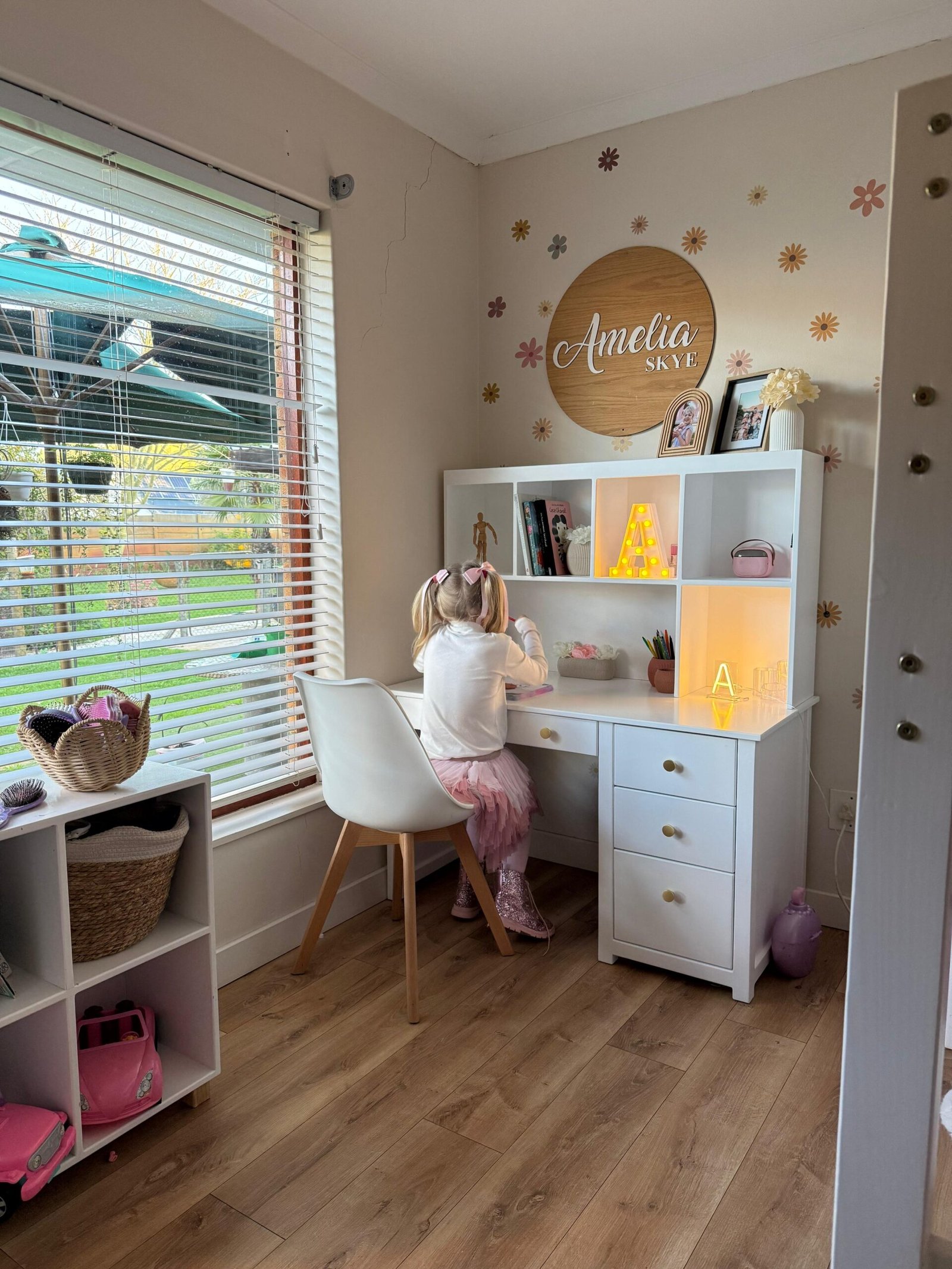
When there’s a clear place to sit, draw or focus on an activity, children tend to return to it more naturally.
It’s not about structure in a strict sense — it’s about reducing friction. A surface that’s always available, with seating that feels comfortable, removes the need to reset the space each time. Over time, this creates a rhythm. Activities start to happen in the same place, and the room begins to support those routines more easily.
Balancing Play and Structure
The challenge is getting the balance right.
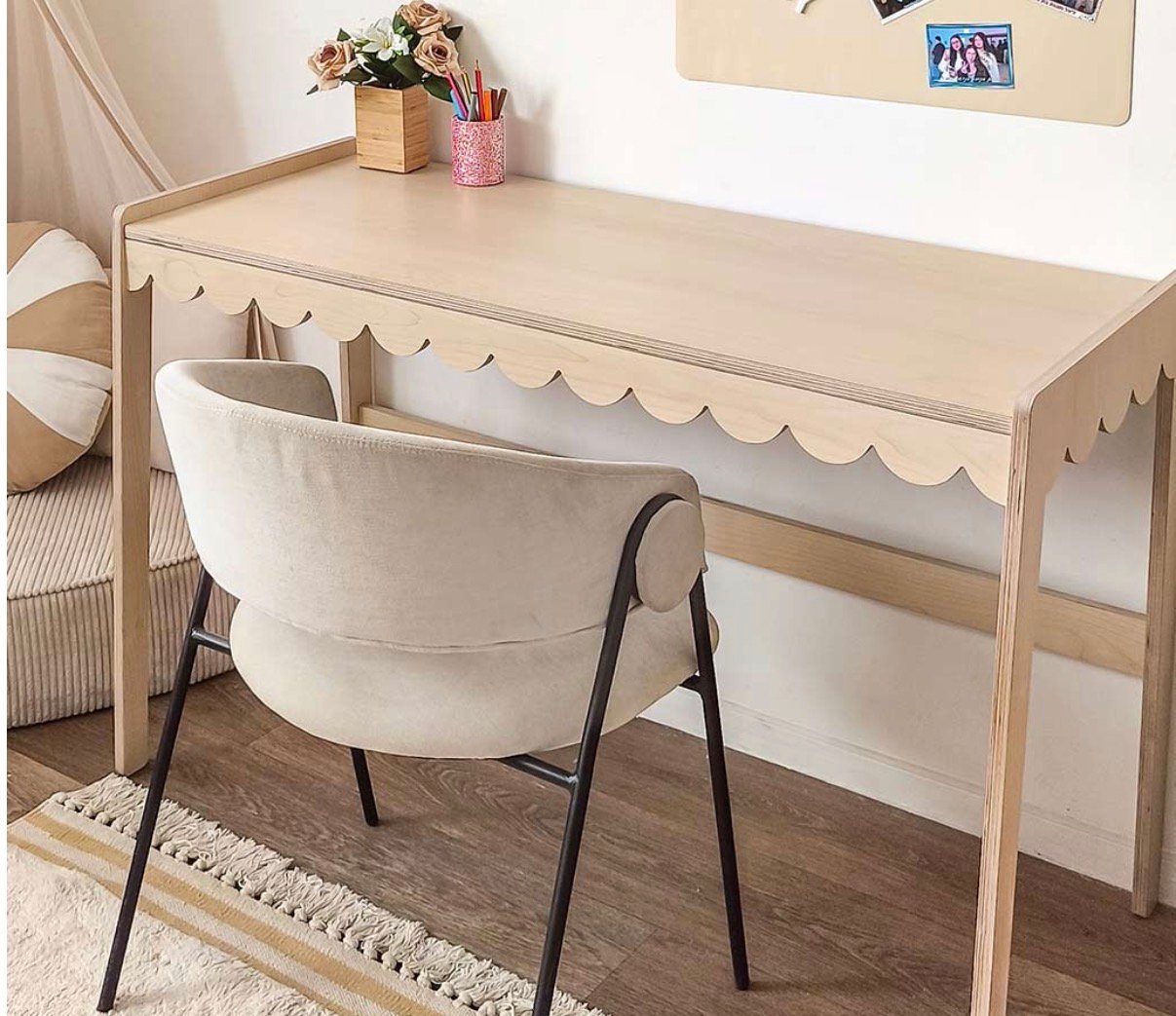
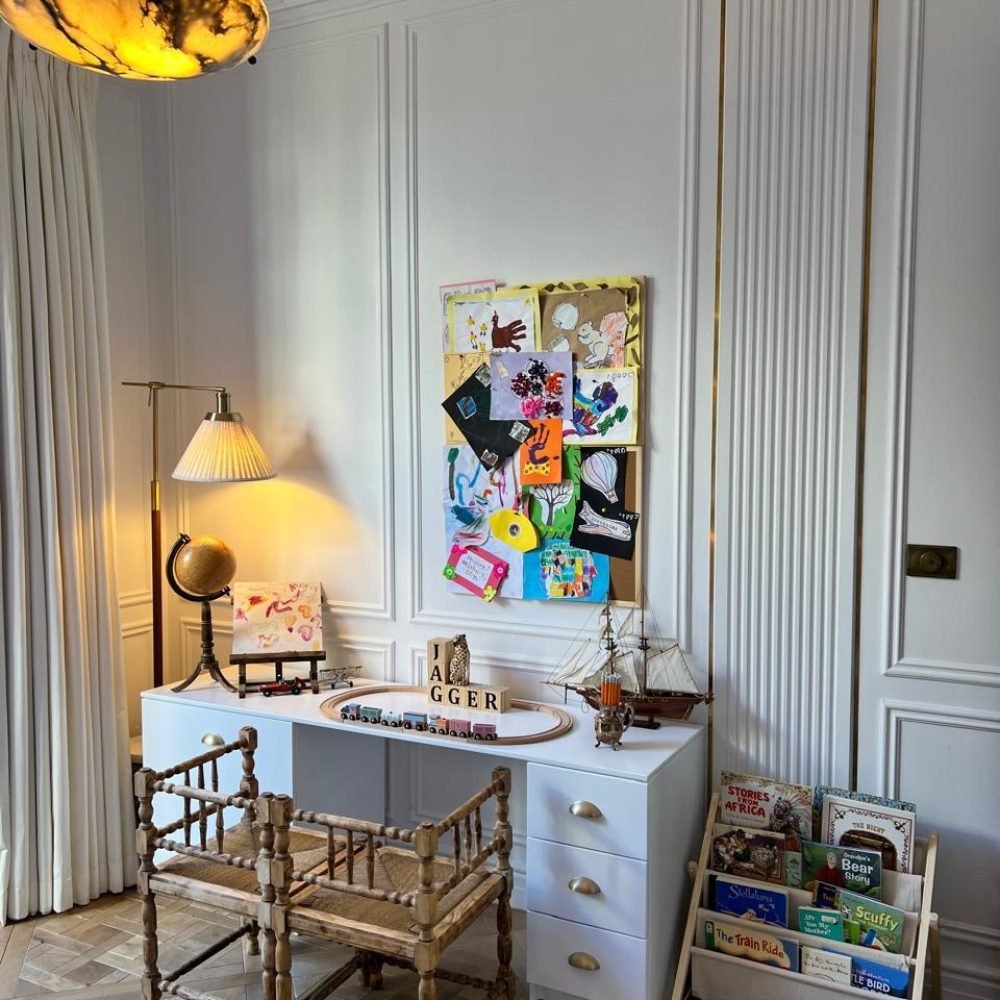
A setup that feels too formal can go unused, especially for younger children. But without any defined space, activities tend to spread out and become harder to return to. This is where simpler pieces tend to work best. Tables, lower desks and flexible seating allow the space to shift between play and more focused use without needing to be reconfigured.
Thinking About Scale and Placement
Where and how the furniture sits within the room has a big impact. Positioning a table or desk near natural light can make it more inviting to use. Allowing enough space around it helps the area feel intentional rather than squeezed in.
For younger children, lower surfaces are often easier to use. As needs change, that same area can evolve into a more defined setup without needing to be replaced entirely.
A Space That Can Shift Over Time
What starts as a place for drawing or play often becomes something else over time – reading, homework, or more focused activities.
Choosing pieces that aren’t tied to a single purpose makes this easier. A table can become a desk. A shared setup can become more individual. The structure stays the same, but how it’s used shifts naturally.
A well-considered setup doesn’t need to be complex. A simple surface, the right seating and thoughtful placement are often enough to create a space that children return to naturally – whether for play, learning or something in between.